


Living in Columbia, South Carolina means embracing Southern hospitality, practical comfort, and an appreciation for beauty—especially at home. When updating a kitchen or bathroom, one big decision often stirs debate: Should you select natural stone or engineered countertops? Both options offer unique advantages and drawbacks, especially when considering the lifestyle, climate, and home values of Columbia residents. Let’s break down the differences to help you make the most informed choice.
Understanding Natural Stone Countertops
Natural stone countertops are quarried straight from the earth. The most popular stones include granite, marble, and soapstone, each with distinct patterns and coloration.
-
-
- Aesthetic Variety: No two slabs are exactly alike. This appeals to Columbia homeowners seeking a one-of-a-kind kitchen that reflects the region’s love of character and tradition.
- Heat Resistance: Granite and soapstone, in particular, withstand the heat from pots or baking pans—a bonus during family gatherings and holiday feasts.
- Added Value: Natural stone often boosts home resale values, a worthwhile consideration in Columbia’s rebuilding and growing real estate market.
-
-
-
- Porosity and Stains: Columbia’s humid subtropical climate means more chance for spills and stains, especially with porous stones like marble. Regular sealing is necessary.
- Maintenance Needs: Frequent cleaning and scheduled sealing are part of the maintenance routine. For busy professionals or families involved in Columbia’s active community life, this can be a hassle.
- Higher Cost: The price can range widely, but premium granite or marble tends to be an investment.
-
What About Engineered Countertops?
Engineered stone, mainly quartz, is manufactured using natural quartz crystals mixed with resins and pigments. These countertops are crafted for durability and consistency, offering an alternative to natural variations.
-
-
- Uniform Appearance: Perfect for modern or transitional Columbia homes where a cohesive, uniform look is preferred.
- Low Maintenance: Engineered stone is non-porous, resisting stains from sweet teas, barbecue sauces, or summer fruits—staples in any Columbia kitchen!
- Durability: Quartz is highly scratch and impact resistant; perfect for high-traffic family spaces.
-
-
-
- Heat Sensitivity: While tough, quartz is sensitive to heat above 150°F. Setting a hot cast iron pan right from the stove isn’t a good idea.
- Less Unique: The appearance, though attractive, is more consistent. For homeowners desiring that “one-of-a-kind” Southern charm, this might be less appealing.
- UV Sensitivity: Direct sunlight, common in Columbia’s bright climate, can sometimes cause fading over time if countertops are near large windows or patios.
-
Columbia’s Climate and Lifestyle Considerations
The local climate—hot summers, humid air, and mild winters—should factor into your decision:
-
-
- Humidity Management: In Columbia’s wet months, non-porous surfaces like quartz resist warping and mold growth far better than some natural stones.
- Outdoor Kitchens: Many Columbia homes boast outdoor living spaces. Granite or soapstone, with their tolerance for heat and elements, work well outdoors, while quartz should remain inside.
-
Style and Home Design Trends in Columbia
Columbia’s architecture blends traditional Southern elegance with modern convenience:
-
-
- Historic Homes: Restoring a Shandon or Elmwood Park classic? Natural stone can match original features beautifully.
- Contemporary Builds: Newer developments in Lake Carolina or Forest Acres often favor streamlined engineered countertops for easy cleaning and sleek design.
- Color Choices: Local buyers still love timeless neutrals—whites, greys, and earthy browns fit well in most homes, regardless of material.
-
Pros and Cons Recap
Natural Stone
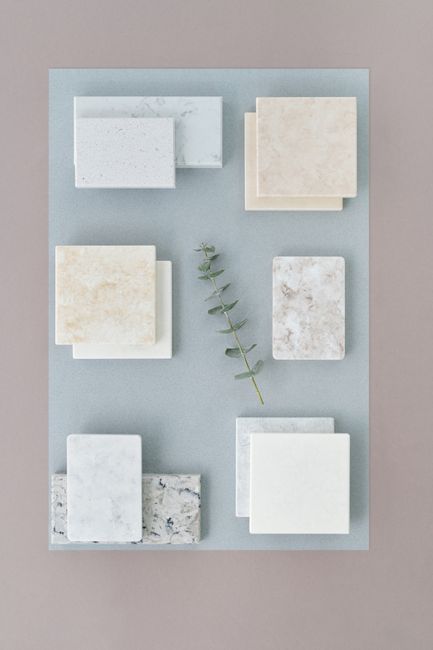
-
- Completely unique patterns and colors
- Resists heat, important for busy kitchens
- Adds to property value and regional charm
-
- Requires consistent maintenance/sealing
- Vulnerable to stains and acidic spills
- Higher up-front costs
Engineered Countertops
-
- Easy to maintain—perfect for busy lifestyles
- Non-porous, highly resistant to stains and spills
- Available in a broad range of consistent colors
-
- Sensitive to direct heat and sunlight
- Patterns and appearance are less varied
- May not match the character of historic homes
Making the Right Choice for Your Columbia Home
Before making a purchase, talk to local countertop professionals—many offer both natural and engineered options, and can help you see and touch the slabs that fit your vision. Most importantly, choose what makes your life easier and your home feel like yours.


